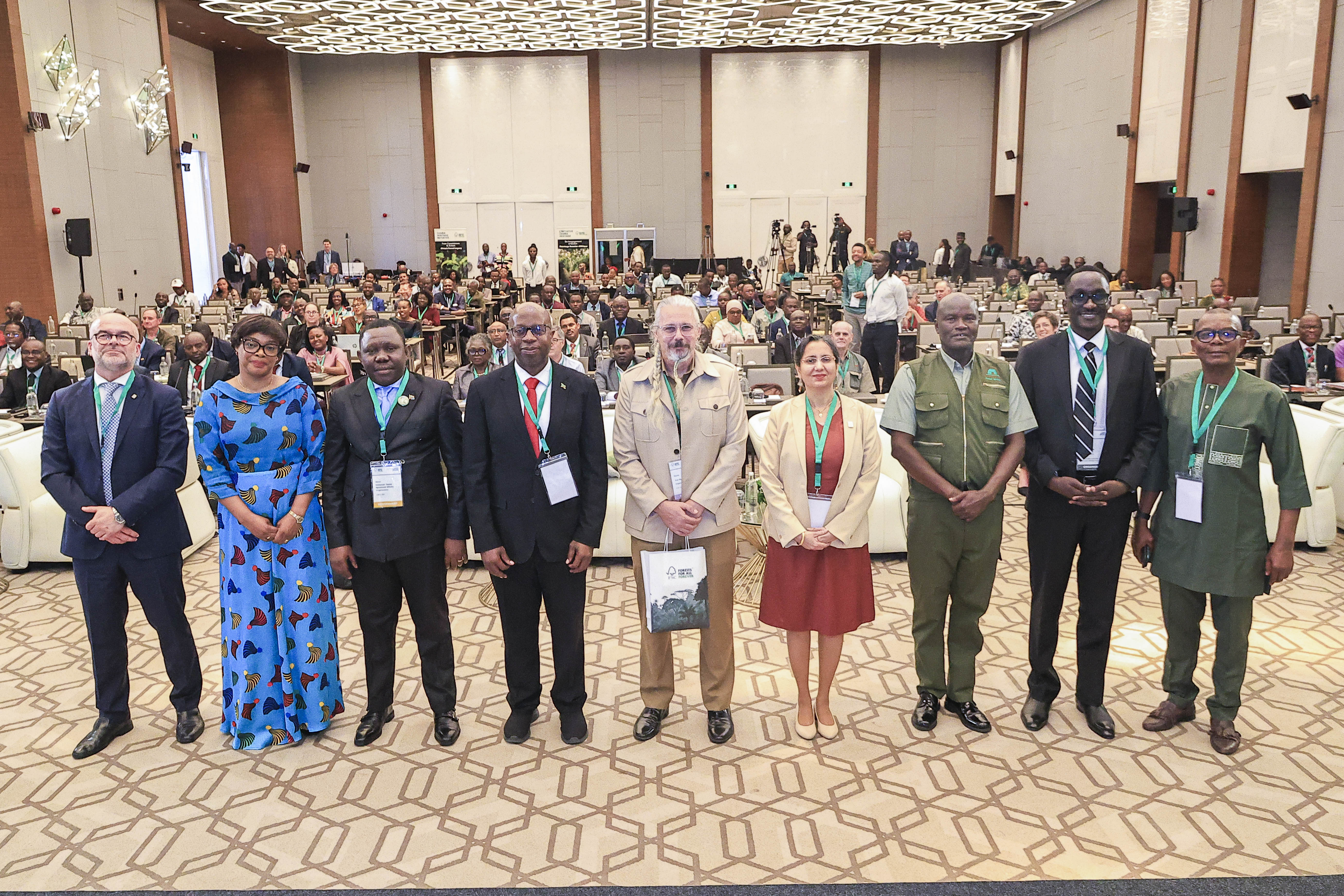
Nairobi, Kenya — 12 February 2026 — The Zámba Heritage Nairobi Declaration was adopted today by African ministers and national authorities at the inaugural Zámba Heritage Congress, formalising a commitment to mobilise approximately USD 400 million for responsible forest management, restoration and value-added forest industrialisation across Africa.
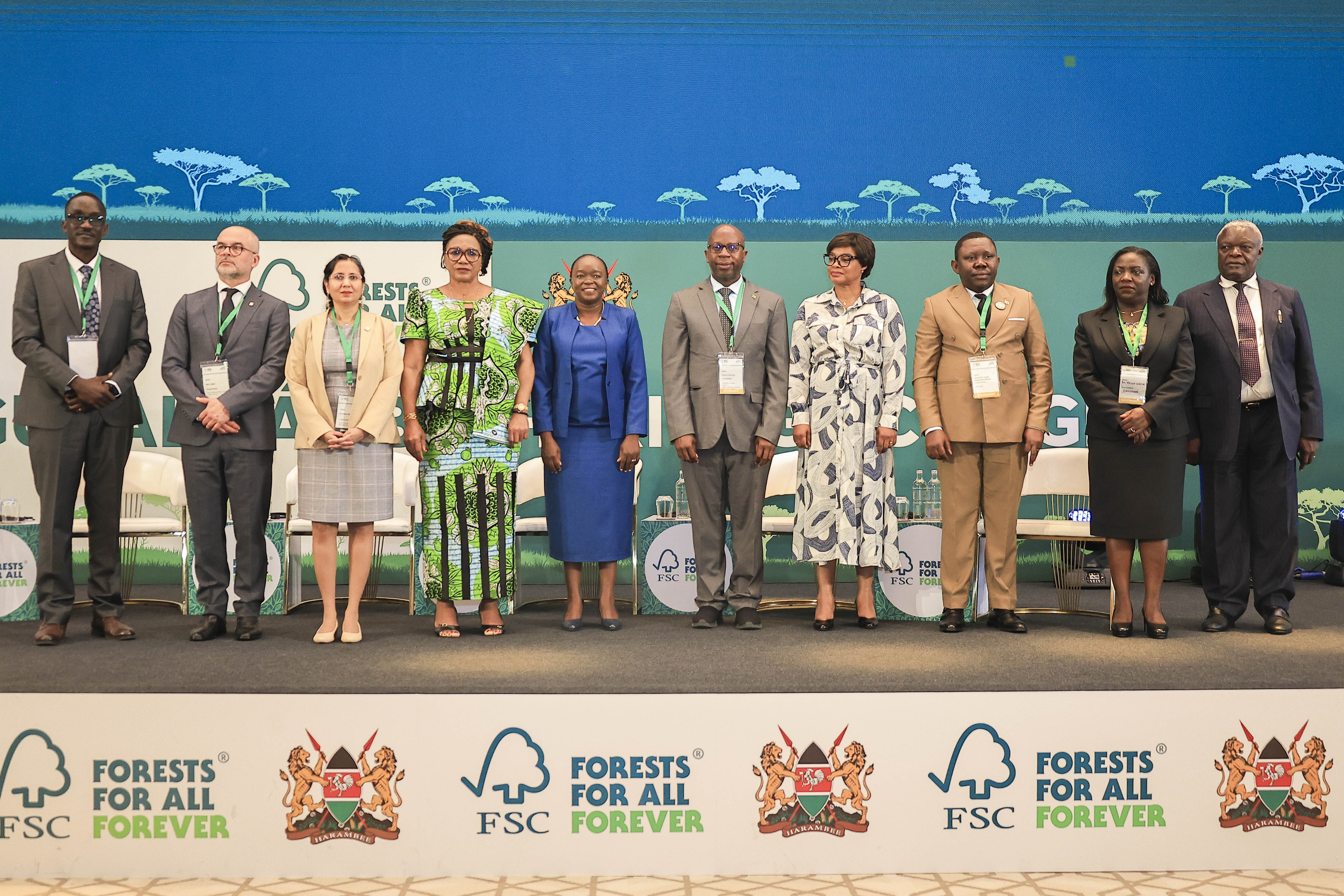
Convened by the Forest Stewardship Council (FSC®) in partnership with the Government of Kenya and the Kenya Forest Service, the Congress brought together representatives from 14 African countries, including Kenya, the Republic of Congo, Zambia, Ethiopia, Gabon, Cameroon, Mozambique, and the Democratic Republic of Congo.
From Commitment to Action
Framing the Congress as a shift from policy to implementation, Dr Deborah Mlongo Barasa, Kenya’s Cabinet Secretary for Environment, Climate Change and Forestry, opened with the country’s national ambition: “Kenya is not waiting. Under our national 15 billion trees growing programme, we have set ambitious, measurable targets and backed them with policy to increase forest and tree cover.
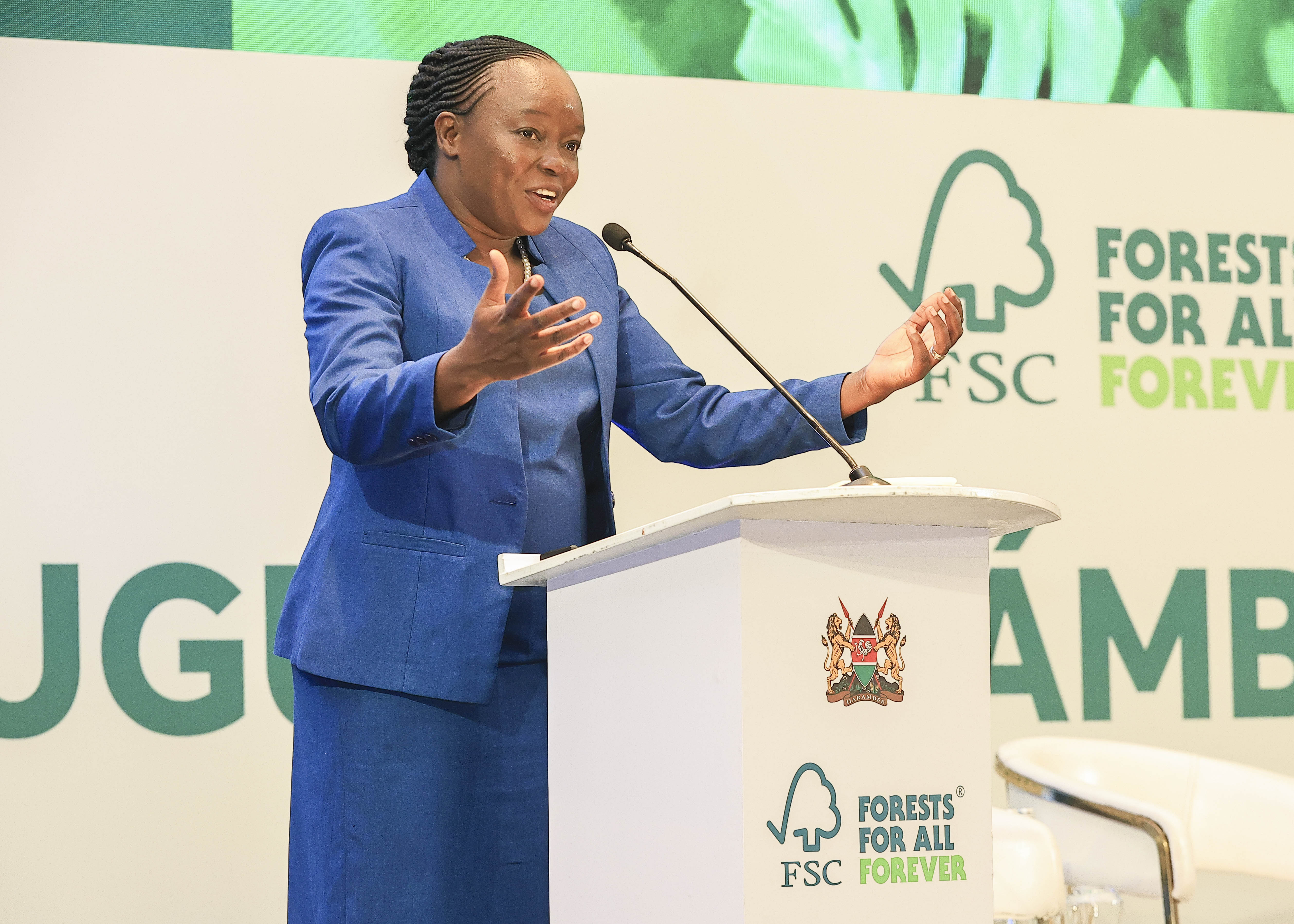
Kenya has designated four forest blocks around the Aberdare Range — approximately 65,000 hectares — to pilot certification, and Kenya now leads Eastern Africa in chain-of-custody certification.
She added: “I reaffirm Kenya’s unwavering support for the Zamba Heritage Initiative.”
Echoing this commitment, Dr Rosalie Matondo, Minister of Forest Economy of the Republic of Congo, highlighted the alignment between national policy and the broader initiative:
“The Republic of Congo is committed to FSC because we believe it helps us achieve the three pillars of development: economic growth, biodiversity conservation and protection of the rights of Indigenous communities and local populations. Congo enthusiastically welcomes this initiative, which aligns with the African Union’s Agenda 2063. We fully support this pan-African initiative.”
Dr Douty Chibamba, Permanent Secretary at the Ministry of Green Economy and Environment in Zambia, underscored certification as a national priority.:
We are here to explore opportunities for FSC to certify our forests, which will strengthen the integrity of our carbon credits.
Moving beyond national commitments, Dr Subhra Bhattacharjee, Director-General of FSC International, emphasised the global stakes of the initiative:
“Together, we forge a legacy where forests do not just survive but thrive — because protecting Africa’s forests is an investment the world cannot afford to delay.”
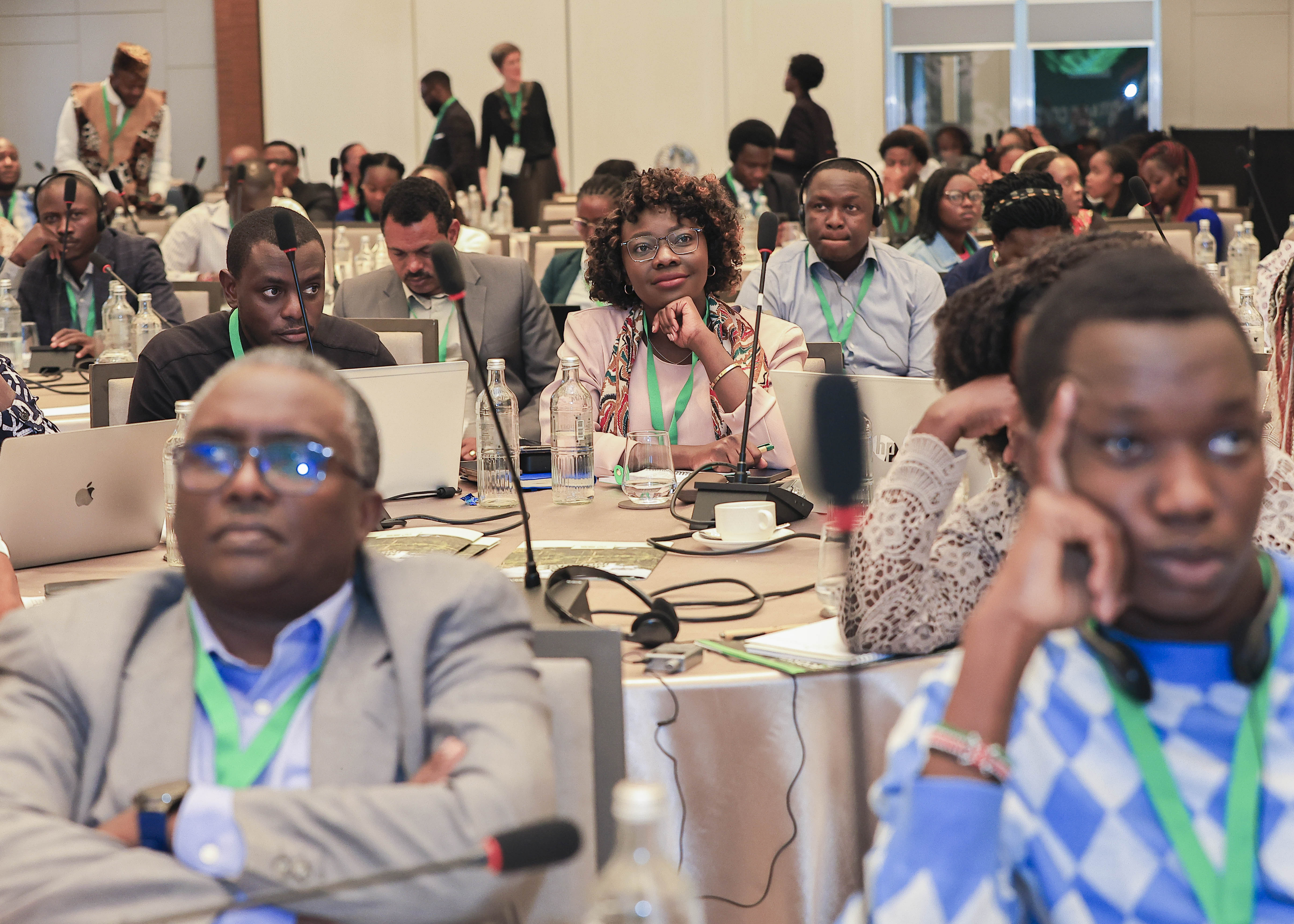
She reminded delegates that Africa’s forests are a global public good and emphasised that unlocking the full power of responsible forest management — efficiently and at scale in Africa — requires African leadership, commitments to the rights and well-being of local communities, workers and Indigenous Peoples, and financing that works.”
The Nairobi Declaration: A Continental Economic Framework
Through the Nairobi Zamba Heritage Declaration, participating governments committed to mobilising approximately USD 400 million in catalytic investment, including bringing 30 million hectares under sustainable management and restoring 5 million hectares of degraded land, while expanding value-added wood processing, strengthening intra-African trade under the African Continental Free Trade Area (AfCFTA), harmonising forest policy frameworks and improving certification systems and transparent forest data.
Governments agreed on practical reforms aimed at strengthening forest protection while improving economic returns. These include requiring certification for state concessions, introducing tax incentives and reducing tariffs on equipment for wood beneficiation, and providing tenure guarantees of up to 25 years with clearer carbon revenue rights. Governments also committed to mobilising domestic capital through pension funds and public finance institutions, prioritising locally produced FSC-certified wood in public procurement, and increasing national funding for forest and landscape restoration.
Reflecting on the shift toward implementation and investment, Dr Peter O. Alele, FSC Africa Regional Director, noted: “We are not merely attendees. We are custodians, architects and investors in Africa’s most vital life-support system — our forests.”
He added that Zámba Heritage moves agreements beyond discussion into implementation and positions Africa with a unified voice on the global stage.
With the signing of the Nairobi Declaration, the Zámba Heritage Congress marks a shift from policy commitments to implementation and positions Africa’s forest heritage as a pillar of sustainable economic transformation and global climate stability.